
Saab R5 NAV Mk III GNSS Sensor (7000 118-910)
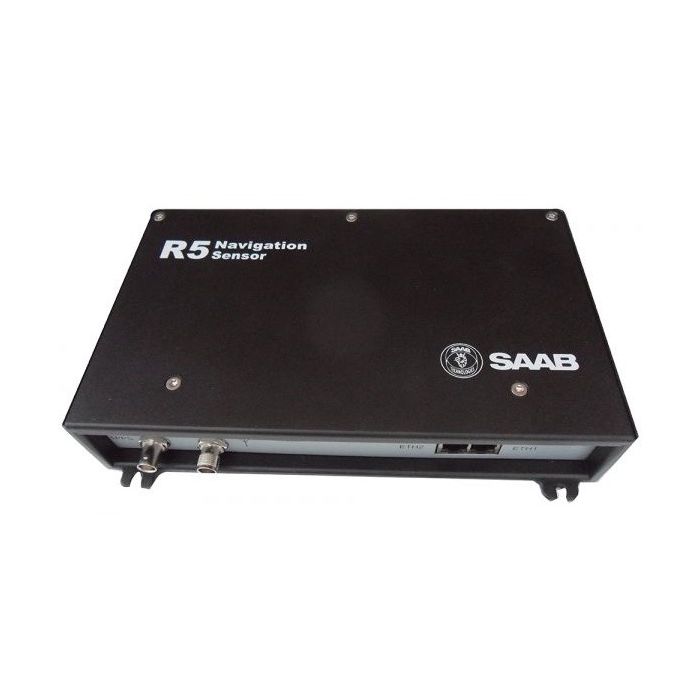
The Saab R5 NAV Mk III GNSS Sensor (P/N 7000 118-910) is a maritime Global Navigation Satellite System (GNSS) positioning sensor used as a primary source of shipborne position, time, and navigation data for bridge systems. It belongs to Saab’s TransponderTech maritime navigation portfolio and is commonly deployed as part of integrated navigation solutions (for example, “R5 NAV GNSS System MkIII” packages) where a certified GNSS sensor feeds IEC 61162 / NMEA-style navigation sentences to ECDIS, radar/ARPA, VDR, conning displays, and Integrated Bridge Systems (IBS).
In stock
- PART #:
- 7000 118-910
- AVAILABILITY:
- SUBJECT TO AVAILABILITY
- SKU:
- Saab-7000-118-910
Saab R5 NAV Mk III GNSS Sensor (7000 118-910)
Saab R5 NAV Mk III GNSS Sensor (7000 118-910)
In the Mk III generation, Saab positions the R5 Navigation Sensor as an updated receiver design intended to improve robustness, accuracy, and signal-handling capacity compared with prior generations, while preserving established navigation modes for bridge integration.
Design and Features
Sensor role in a ship’s navigation architecture
In typical bridge designs, the GNSS sensor is the upstream source for:
-
Position (latitude/longitude) used by ECDIS and radar overlays
-
Time for system synchronization, logs, and event correlation
-
Course/speed-related outputs when integrated with other sensors and bridge logic
Saab’s R5 NAV Mk III GNSS sensor is therefore treated as mission-critical navigational infrastructure, with lifecycle support and type approval pathways aligned to regulated maritime equipment categories.
Integrated junction box configuration
Multiple maritime system listings describe the R5 NAV GNSS sensor with an integrated Junction Box associated with the part number 7000 118-910, supporting simplified installation and service access in bridge or equipment-room layouts.
Mk III generation improvements (receiver capability)
A reseller technical description of the Mk III sensor indicates the platform is updated with “state of the art receiver design,” with capability to receive more signals in parallel and process more channels than previous models, targeting more robust performance in challenging maritime RF environments.
Technology and Specifications
GNSS / DGNSS software and firmware lineage
Saab’s published R5 SUPREME software release notes include a dedicated “R5 NAV GNSS/DGNSS Sensor” release history and compatibility statements referencing Mk III sensor hardware families and software versions (e.g., SW 1.4.x), along with interface sentence corrections and behavior changes aligned to marine interface standards.
Maritime approvals and regulatory positioning (Wheelmark / MED)
For shipboard navigation equipment, Marine Equipment Directive (MED) / Wheelmark approvals are frequently required depending on vessel class and flag-state rules. Saab’s published EC conformity/assessment documentation lists R5 NAV GNSS/DGNSS Mk III sensor families within approved equipment groupings (including R6 navigation systems that use R5 sensors), indicating formal conformity processes for maritime GNSS equipment categories.
Product lifecycle context
Saab’s TransponderTech product-support documentation distinguishes earlier GNSS/DGNSS sensor generations (e.g., Mk I and Mk II) from the Mk III era and provides lifecycle timelines for discontinued products—useful for fleet managers evaluating long-term spares and support.
System-level inclusions (typical integration)
A public system package listing for “R5 NAV GNSS System MkIII” identifies a common installation kit that includes:
-
R5 NAV GNSS Sensor with integrated Junction Box (P/N 7000 118-910)
-
CDU (control/display), Ethernet cable, power cable
-
GNSS antenna (e.g., MGA-3 antenna listed in the same BOM)
-
Documentation media/printed documents
Applications and Use Cases
SOLAS and regulated commercial vessels
On regulated commercial vessels, a GNSS sensor like the R5 NAV Mk III is typically integrated into certified bridge architectures where equipment conformity, interface standards, and serviceability are prioritized. MED/Wheelmark documentation and vendor release controls reflect this operational context.
Integrated Bridge Systems (IBS) and multi-sensor fusion
In IBS environments, the GNSS sensor is one of several navigation inputs (alongside gyrocompass, speed log, echo sounder, etc.). The R5 NAV Mk III is commonly positioned as the GNSS node feeding navigation sentences over standardized maritime interfaces to multiple downstream systems.
Newbuilds, refits, and lifecycle upgrades
Mk III sensors are often evaluated during:
-
Newbuild specification (selecting modern GNSS sensors with documented approvals)
-
Refits (replacing aging Mk I/Mk II sensors nearing end-of-support windows)
-
Standardization programs across fleets seeking consistent firmware and spares strategy
Advantages / Benefits
Modern receiver generation aimed at robustness
Mk III descriptions emphasize improved receiver design and higher channel/signal processing capacity, which—when paired with proper antenna placement and bridge EMC practices—supports more reliable navigation data delivery in real-world maritime environments.
Standards-aligned outputs and maintainability
Saab’s release notes highlight ongoing adjustments and fixes to navigation sentence behavior in line with maritime interface standards, which matters for interoperability with ECDIS/radar/VDR ecosystems and for minimizing integration friction during upgrades.
Certification pathway for professional bridge systems
MED/Wheelmark documentation coverage for R5 NAV Mk III sensor families supports use in regulated contexts where compliance documentation is required for commissioning, audits, or class/flag acceptance.
FAQ Section
What is the Saab R5 NAV Mk III GNSS Sensor (7000 118-910)?
It is a marine GNSS positioning sensor used to provide shipboard position and timing data to bridge systems and navigation electronics; the part number 7000 118-910 is publicly associated with the Mk III GNSS sensor in system BOMs.
How does the Saab R5 NAV Mk III GNSS Sensor work?
The sensor receives satellite navigation signals and outputs standardized maritime navigation data to other bridge equipment. Public descriptions of Mk III highlight an updated receiver design that can process more signals/channels in parallel to improve robustness and reliability.
Why is the Saab R5 NAV Mk III GNSS Sensor important?
A GNSS sensor is a primary upstream source for navigation position and time on modern bridges. Saab’s published approval documentation and ongoing software maintenance (release notes) reflect its role in regulated, interoperability-focused maritime navigation environments.
What are the benefits of the Saab R5 NAV Mk III GNSS Sensor?
Benefits commonly cited for Mk III include updated receiver technology for more robust navigation performance, compatibility maintained across established navigation modes, and a certification/documentation pathway aligned with professional maritime equipment requirements.
Is the R5 NAV Mk III part of a larger navigation system?
Yes. Public “system MkIII” listings show the sensor (P/N 7000 118-910) included alongside a control/display unit, cables, and a GNSS antenna in typical installation kits.
Summary
The Saab R5 NAV Mk III GNSS Sensor (7000 118-910) is a professional maritime GNSS sensor used to deliver position and timing data to modern bridge and navigation systems. Public technical descriptions position Mk III as a receiver-generation upgrade over Mk II, while Saab’s published approval and release-note materials show an ongoing standards- and interoperability-focused maintenance model. For newbuilds, refits, and fleet standardization programs, the R5 NAV Mk III is typically evaluated as a compliance-friendly GNSS source within broader integrated navigation architectures.
Specifications
| PART # | 7000 118-910 |
|---|