
Ti5 Robotics 50-60 Lightweight Joint Module
In stock
- ماركة:
- TI5 ROBOTICS
- نموذج:
- 50-60
- ORIGIN:
- الصين
- Warranty:
- 12 شهر
- AVAILABILITY:
- SUBJECT TO AVAILABILITY
- SKU:
- Ti5-Robotics-Joint-Module-50-60
Ti5 Robotics 50-60 Lightweight Joint Module
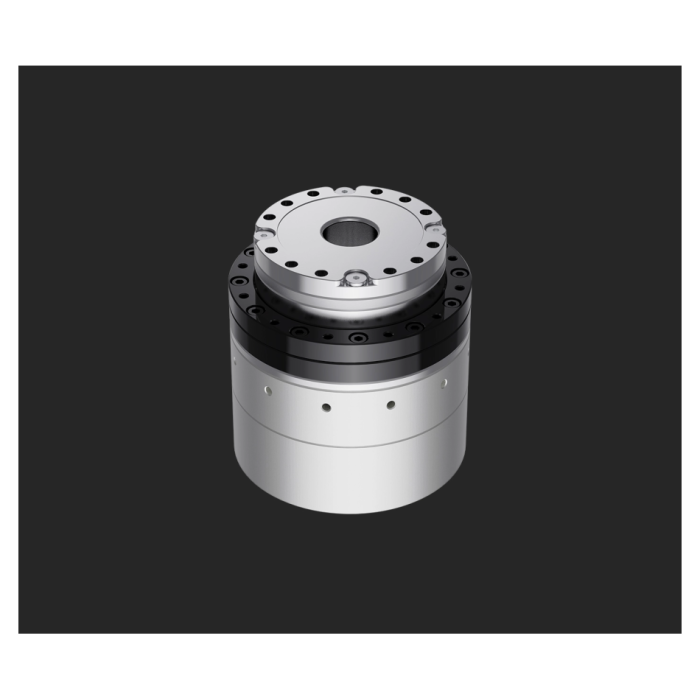
Ti5 Robotics 50-60 Lightweight Joint Module is a compact, integrated rotary actuator family developed for humanoid robots and other advanced robotic systems. Each module combines the gearing, motor, drive electronics, and encoder feedback of a complete robotic joint in a single lightweight housing, allowing designers to assemble articulated structures from standardized building blocks rather than engineering every axis from discrete components. The 50-60 family is documented in four joint versions and three gear-ratio options, and this page presents the family as a single listing covering all documented variants.
Background
Integrated joint modules have become a defining component of the current generation of legged and humanoid robots. By merging actuation, reduction, sensing, and communication into one serviceable unit, they shorten development cycles and simplify maintenance for machines that may contain dozens of powered axes.
Why integrated joint modules matter
A traditional robotic joint requires a motor, a gearbox, an encoder, a drive, and wiring to be specified, mounted, and tuned individually. An integrated module replaces that assembly with one unit that presents a mechanical interface and a communication bus. According to the manufacturer, the 50-60 design emphasizes modularity for flexible assembly and easy maintenance, a lightweight structure for mobility and energy efficiency, and a highly integrated layout that optimizes space utilization and performance output. These attributes address the core demands of modern intelligent equipment, where mass and packaging volume at each joint directly affect the dynamics of the whole machine.
The 50-60 family and its versions
The source material documents four joint versions within the 50-60 family: CRA-RI50-60-PRO-2-XXX (the base version), CRA-RI50-60-PRO-2-XXX-B (a longer, heavier build), CRA-RI50-60-PRO-2-XXX-2E-EC (a version with dual-encoder resolution options and EtherCAT capability alongside CAN), and CRA-RI50-60-PRO-2-XXX-B-2E-EC, which is listed by the manufacturer but published without a parameter table, so its specifications are not reproduced here. Within each documented version, three gear ratios are offered — 51, 81, and 101 — each with its own torque, speed, and backlash profile. No single ratio's figures should be read as universal for the family; the table below preserves the per-ratio and per-version distinctions exactly as documented.
Technical Specifications
The following tables preserve the published configuration distinctions. Blank, malformed, or ambiguous source values are not confirmation of a capability; confirm the selected configuration during quotation.
CRA-RI50-60-PRO-2-XXX
| Gear Ratio | Peak Torque (N.m) | Max Allowable Torque At Average Load (N.m) | Rated Torque @ 2000RPM (N.m) | Peak Speed (RPM) | Rated Speed (With 1/2 Rated Torque) (RPM) | Gear Backlash (arcsec) |
| 51 | 23 | 8.6 | 6.6 | 97 | 75 | 20 |
| 81 | 29 | 13.5 | 9.6 | 61 | 46 | 20 |
| 101 | 34 | 13.5 | 9.6 | 49 | 37 | 10 |
| Rated Power(W) | Supply Voltage(V) | Max Continuous Current(A) | Rated Current(A) | Torque Constant (N.m/A) | Encoder Resolution (bit) | Communication Bus |
| 150 | 24-48 | 5 | 3.6 | 0.089 | 16 | CAN |
| Hollow Shaft(mm) | Length(mm) | Mass(kg) | Inertia(g * c㎡) |
| 12 | 63±0.5 | 0.45 | 158.8 |
CRA-RI50-60-PRO-2-XXX-B
| Gear Ratio | Peak Torque (N.m) | Max Allowable Torque At Average Load (N.m) | Rated Torque @ 2000RPM (N.m) | Peak Speed (RPM) | Rated Speed (With 1/2 Rated Torque) (RPM) | Gear Backlash (arcsec) |
| 51 | 23 | 8.6 | 6.6 | 97 | 75 | 20 |
| 81 | 29 | 13.5 | 9.6 | 61 | 46 | 20 |
| 101 | 34 | 13.5 | 9.6 | 49 | 37 | 10 |
| Rated Power(W) | Supply Voltage(V) | Max Continuous Current(A) | Rated Current(A) | Torque Constant (N.m/A) | Encoder Resolution (bit) | Communication Bus |
| 150 | 24-48 | 5 | 3.6 | 0.089 | 16 | CAN |
| Hollow Shaft(mm) | Length(mm) | Mass(kg) | Inertia(g * c㎡) |
| 12 | 81.5±0.5 | 0.58 | 228.8 |
CRA-RI50-60-PRO-2-XXX-2E-EC
| Gear Ratio | Peak Torque (N.m) | Max Allowable Torque At Average Load (N.m) | Rated Torque @ 2000RPM (N.m) | Peak Speed (RPM) | Rated Speed (With 1/2 Rated Torque) (RPM) | Gear Backlash (arcsec) |
| 51 | 23 | 8.6 | 6.6 | 97 | 75 | 20 |
| 81 | 29 | 13.5 | 9.6 | 61 | 46 | 20 |
| 101 | 34 | 13.5 | 9.6 | 49 | 37 | 10 |
| Rated Power(W) | Supply Voltage(V) | Max Continuous Current(A) | Rated Current(A) | Torque Constant (N.m/A) | Encoder Resolution (bit) | Communication Bus |
| 150 | 24-48 | 5 | 3.6 | 0.089 | 16/18 | CAN/EtherCAT |
| Hollow Shaft(mm) | Length(mm) | Mass(kg) | Inertia(g * c㎡) |
| 13 | 66.5±0.5 | 0.47 | 170.46 |
How do the four versions of the 50-60 module differ?
The base version is the shortest and lightest documented build at 63 mm and 0.45 kg. The B version extends the housing to 81.5 mm and 0.58 kg with a correspondingly higher rotor inertia, while retaining the 12 mm hollow shaft, 16-bit encoder, and CAN bus. The 2E-EC version introduces a slightly larger 13 mm hollow shaft, 16/18-bit encoder resolution options, and CAN/EtherCAT communication in a 66.5 mm, 0.47 kg package. The B-2E-EC designation combines the B and 2E-EC suffixes in the manufacturer's naming, but because no parameter table is published for it, its dimensions and interfaces should be confirmed directly before specifying it in a design. Torque and speed behavior is determined by the chosen gear ratio: the 51 ratio favors speed (97 RPM peak), while the 101 ratio favors torque (34 N·m peak) and offers the tightest documented backlash at 10 arcsec.
Who is the Ti5 Robotics 50-60 Lightweight Joint Module for?
This module family is intended for robotics engineers, research groups, and product teams building articulated machines that need compact, bus-controlled joints. Humanoid robot developers, collaborative arm builders, and laboratories prototyping legged or manipulator systems are the primary audience. It suits integrators who prefer to standardize on a modular actuator line across multiple axes, and the EtherCAT-capable version is relevant to teams working within real-time industrial control architectures.
What is the Ti5 Robotics 50-60 Lightweight Joint Module used for?
- Powering rotary joints in humanoid robot limbs where low mass per axis matters.
- Actuating collaborative robot arm segments assembled from modular joints.
- Scientific research and education platforms that require documented, repeatable actuation.
- Medical and rehabilitation robotics development programs, per the manufacturer's listed application areas.
- Industrial production equipment that benefits from integrated, bus-controlled motion axes.
- Commercial-scenario robots, such as service platforms, built from standardized joint modules.
Pricing and Availability
Pricing for the 50-60 family is provided on a quotation basis, since the applicable version, gear ratio, encoder option, and communication bus all influence the final configuration. To obtain current pricing and lead-time information, submit a quote request specifying the version and gear ratio you require. Availability of the B-2E-EC version and any accessories should be confirmed at the time of inquiry.
Frequently Asked Questions
What gear ratios are available for the 50-60 module?
Three documented ratios: 51, 81, and 101. Peak torque ranges from 23 N·m (ratio 51) to 34 N·m (ratio 101), and peak speed from 97 RPM down to 49 RPM across that range.
Which communication buses does the module support?
The base and B versions use CAN. The 2E-EC version is documented with CAN/EtherCAT and 16/18-bit encoder resolution options.
How much does the module weigh?
Documented masses are 0.45 kg (base), 0.58 kg (B), and 0.47 kg (2E-EC). The B-2E-EC version's mass is not published.
Does the module have a hollow shaft?
Yes. The base and B versions have a 12 mm hollow shaft; the 2E-EC version has a 13 mm hollow shaft, useful for routing cabling through the joint.
What supply voltage does it require?
The documented versions operate from a 24–48 V supply, with 150 W rated power, 3.6 A rated current, and 5 A maximum continuous current.
Can I get specifications for the CRA-RI50-60-PRO-2-XXX-B-2E-EC version?
The manufacturer lists this version but does not publish a parameter table for it in the source material. Request its datasheet during the quotation process before designing it into a system.
Where can I buy the Ti5 Robotics 50-60 Lightweight Joint Module and what does it cost?
You can request it directly through this listing. Because configuration options (version, gear ratio, encoder, bus) affect the price, submit a quote request and you will receive current pricing and availability for your specified configuration.
Summary
The Ti5 Robotics 50-60 Lightweight Joint Module family offers integrated, bus-controlled robotic joints in four documented versions and three gear ratios, spanning 23–34 N·m peak torque, 49–97 RPM peak speed, and 0.45–0.58 kg documented mass. For engineers comparing versions, confirming the undocumented B-2E-EC variant, or requesting a configured quotation, this page is the starting point.